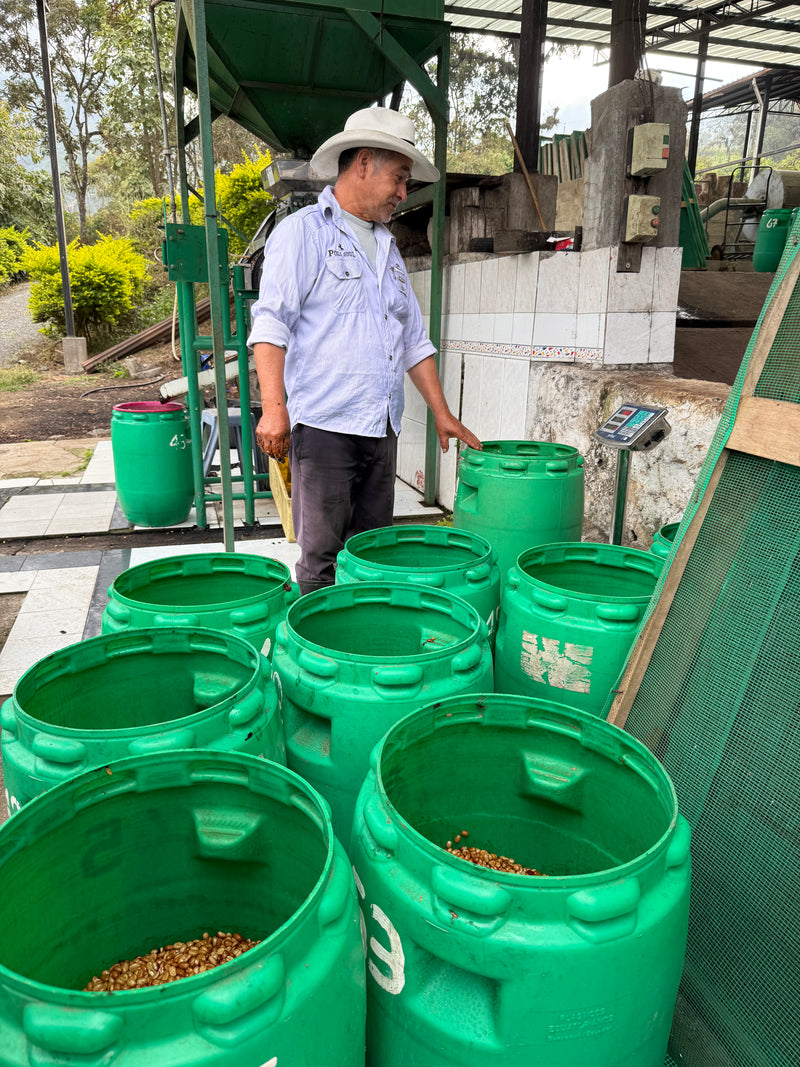
This is the second Ecuador release from Rurukuna Inc.—a Sidra variety lot from Lugumapata Farm.
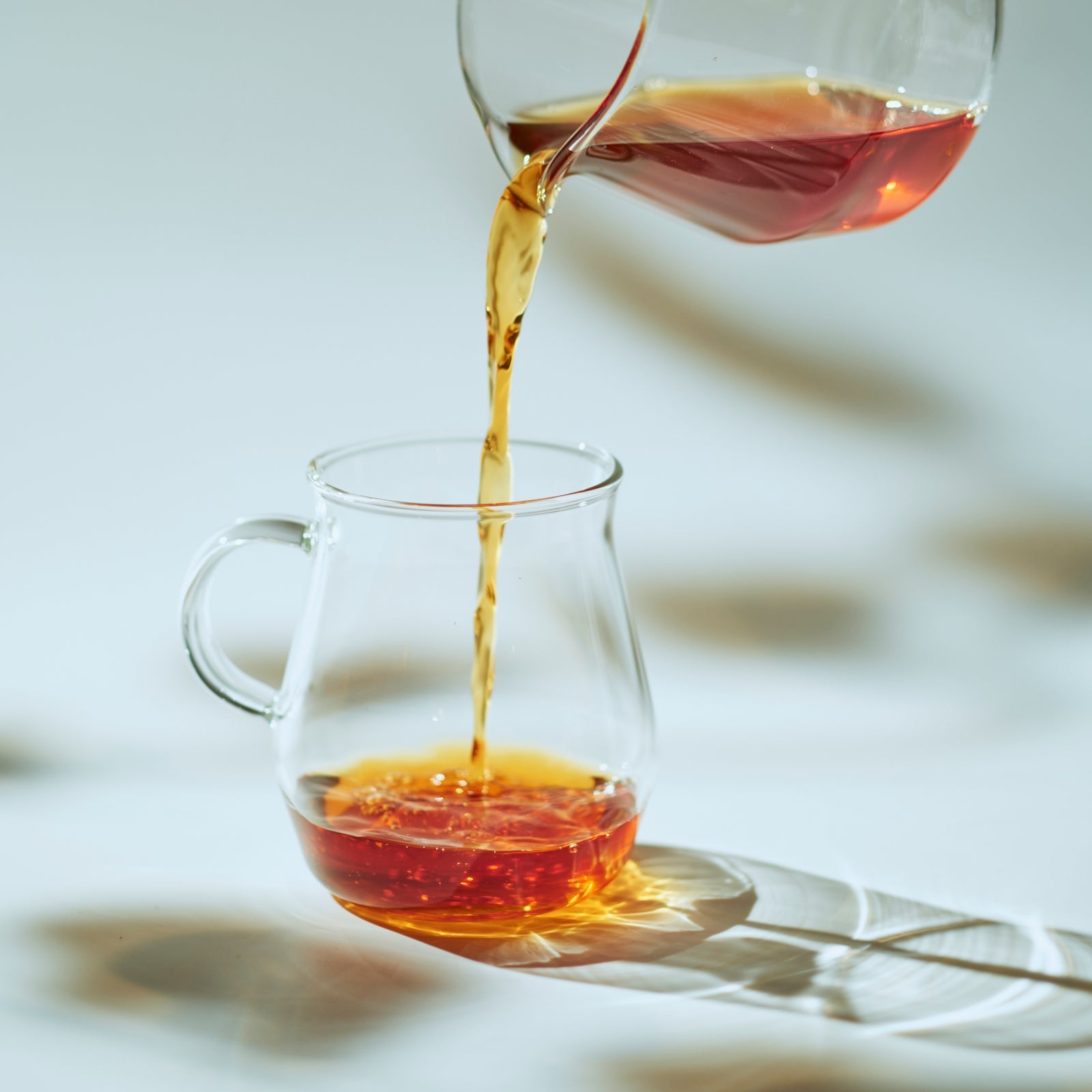
This coffee has an exceptionally unique flavor profile. It opens with fresh fruit impressions reminiscent of green apple and pear, followed by a refreshing yet gently fermented, milky character that brings to mind aloe yogurt. As it develops, a deep, tropical sweetness like ripe mango emerges.
The overall flavor volume is generous, with a rush of diverse fruit notes coming one after another—there’s no time to pause, as the profile continues to shift and unfold with every sip.
While it’s clear that fermentation plays a role in shaping these flavors, achieving such a distinctive profile through a washed process is remarkable. This may be attributed to the Sidra variety itself, combined with Ecuador’s truly one-of-a-kind terroir.
Ecuador is a country we haven’t had many opportunities to introduce until now, but it has certainly become one we’re eager to explore further.
We hope you’ll look forward to future releases from this exciting origin.




![[Premium]Ecuador Lugumapata Sidra[Light roast]](http://kurasu.kyoto/cdn/shop/files/image_Beans_Premium-Ecuador-Lugumapata-Sidra_2_2048x.jpg?v=1765963635)
![[Premium]Ecuador Lugumapata Sidra[Light roast]](http://kurasu.kyoto/cdn/shop/files/EcuadorLugumapataSidra_1_2048x.jpg?v=1765963635)
![[Premium]Ecuador Lugumapata Sidra[Light roast]](http://kurasu.kyoto/cdn/shop/files/image_Beans_Premium-Ecuador-Lugumapata-Sidra_en_1_2048x.jpg?v=1765963635)
![[Premium]Ecuador Lugumapata Sidra[Light roast]](http://kurasu.kyoto/cdn/shop/files/EcuadorLugumapataSidra-8_1_2048x.png?v=1765963618)
![[Premium]Ecuador Lugumapata Sidra[Light roast]](http://kurasu.kyoto/cdn/shop/files/1127_kyotostand_16_2048x.jpg?v=1765963713)
![[Premium]Ecuador Lugumapata Sidra[Light roast]](http://kurasu.kyoto/cdn/shop/files/IMG_0643_2048x.heic?v=1766016621)
![[Premium]Ecuador Lugumapata Sidra[Light roast]](http://kurasu.kyoto/cdn/shop/files/IMG_0688_2048x.heic?v=1766016627)
![[Premium]Ecuador Lugumapata Sidra[Light roast]](http://kurasu.kyoto/cdn/shop/files/IMG_0804_2048x.heic?v=1766016651)
![[Premium]Ecuador Lugumapata Sidra[Light roast]](http://kurasu.kyoto/cdn/shop/files/IMG_0706_2048x.heic?v=1766021008)